More tips for designing your life:Part 2 of 2
Ihad made it as a designer in Europe — was able to start my design careerdespite work permits, learn the culture and work on many successful CPGcampaigns. As amazing as Europe is and was, the reality was that I had tried tobecome a Dutch girl but was still an American girl at heart. I was scared toleave this cultivated version of myself, so I tiptoed into moving back to TheStates for four months. I moved in with my sister in San Diego and worked torebuild from scratch. My gut said it was the right move, but with starting allover again in my personal and professional life, was it really? I’ll save thepersonal triumphs for over cocktails and share a few professional lessons thatled me to owning and operating my design firm, SHELF Studio.

Lesson1: Don’t be that person and continue to be adaptable.
Igot a little big-headed about my Europe adventure. Looking back, this isembarrassing, but in my defense I was twenty-nine (not to offend anyenlightened folks in their 20’s). It took a full two years to stop beginningsentences with, “Well, in Holland...”. I still had an accent and in my mind, itwas really hard to let go of the person I had worked so hard to become. Thetruth was, I was that person, I just didn’t need to let everyone know how Icame to be that person, or tell everyone about the last 5 years of my life, orwhy Holland has better “everything”. Everyone has some version of their Holland,what’s yours?
Lesson 2: Know what you want andbelieve it will work out.
Nowthis isn’t always easy for everyone. Financial, family or personal obligationsdictate career decisions. I knew after starting my career in Europe in a strongfull time job climate that freelancing would be my only option in the US. I hadthe drive to do my own thing and I knew and experienced that this didn’t gelwell in American studios. Putting yourself first means only one thing,freelance. It was a risky proposition without a safety net, but when you know,you know. It took many and any gigs that came at me over the course of 5 yearsto be able to confidently say, “We are SHELF Studio.” What’s the biggestcareer risk you’ve taken?

Lesson 3: Do what you gotta do butlearn along the way.
BeforeI got the huge Ballaccount (that happened in my fifth year of freelancing) thatwould change the direction of my career, I did whatever jobs it took to pay thebills. In other words, paid my dues. I jumped in and worked for an onlinemedical claims company, because I wanted to learn website design. At the time,I felt ready to depart from packaging, so I thought it be best to expand myskill set. It was a pretty paycheck, but it was also soul sucking. Soon I foundmyself doing a side hustle at an ad agency, where I polished my photoshop,production and design skills, as well as concepting and copywriting skills. Andgot to work on one of my favorite projects of my career — a hotel photo shootwhere I had full creative direction alongside an amazing Director. Ever takeon a design project you didn’t know what the hell you were doing and it turnedout better than you ever expected? Or the opposite?

Lesson 4: Assemble a great team andlisten to them.
Themost important thing I ever did when I started SHELF was to hire designers andcreatives who were better than me. Steve Jobs once said, “It doesn't make sense to hiresmart people and tell them what to do; we hire smart people so they can tell uswhat to do”. Being a freelancer, now business owner, I can’t do it all.That’s why I hire people who are better than me at typography, concepting, andgreat copywriting. They pushed me to my best creatively (even when itwasn’t fun). Merging studio and individual goals can be a tricky balance. Ifthe individual chooses the individual over the studio, it can really impact thegoals of the studio. On the flipside, a great team can really energize thework. I’ve had both kinds of teams since I created SHELF ten years ago and I’mbeyond grateful for ALL people I’ve hired. They’ve taught me so much aboutmyself and process (good, bad, and ugly). Work is more than producing,what do you bring that makes your team better?

Lesson 5: Establish professionalboundaries.
WhenI committed to growing SHELF (at that time A Brand Studio), I had to assemble ateam. After working independently for so long, I took the experience I had inEurope and applied it to the team I was hiring. My mentor was a great emotionalleader — so I thought I could mentor on all levels like she did, even if thoselevels that didn’t fit into the professional scope of a studio. I’m a naturalcommunicator — I enjoy connecting on emotional levels with people but as aboss, that isn’t always the most effective way to lead. The majority of timesit was appreciated but it began to get confusing and impact the work. Multipleexperiences, some may call this “drama”, forced me to recognize the uniquechallenges of a business owner and establish professional boundaries andexpectations early. I also could no longer take things personally because moreoften than not, designers start to have more and more specialized niche andeither need to move up or move out. And you have to hire again. Hasthis happened to you at some point at your career? Like, how did the studioturn into a soap opera?

Bonus Lesson: Find your creativeniche and build a business.
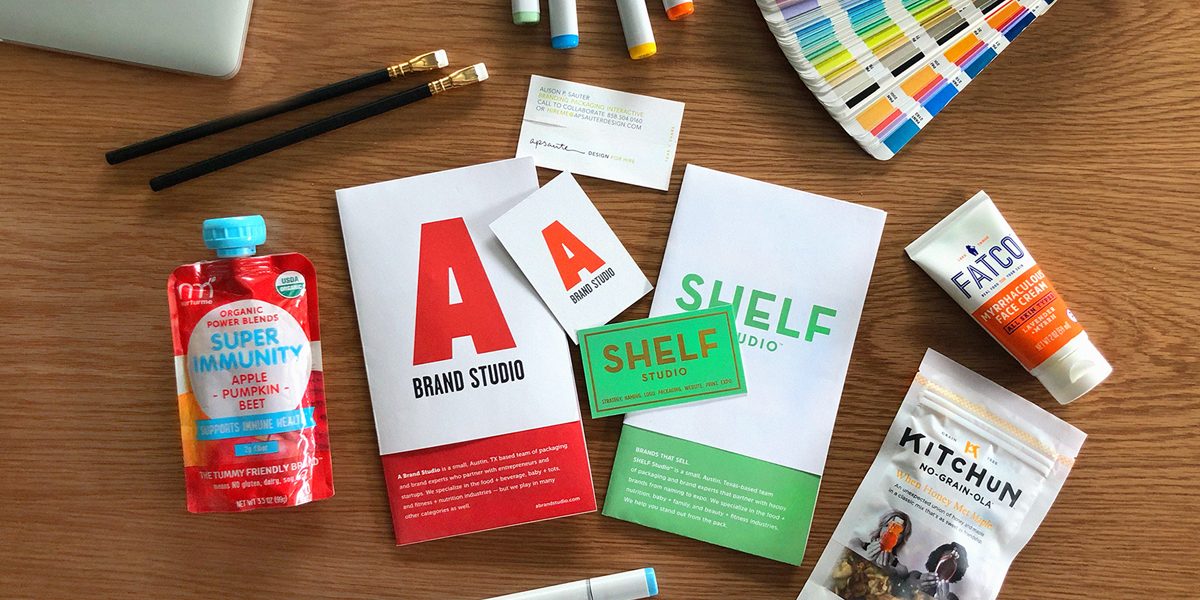
When the studio landed it’s first big account, NurturMe, I went to my first Expo West expo in Anaheim in 2012. I was blown away by all the emerging brands, packaging, expo booths, and all the creative simulation (not to mention the tasty samples, let’s be real). It made me realize how much I loved and missed packaging. Packaging incorporates all the creative processes and assets because it’s a full story from naming, to concept, to pack, to shelf, to website, to expo, and everything in between. So when it came time to define our mission and goals, naturally we’d specialize in the CPG space. Since making that decision, we’ve gotten to work on and launch some pretty amazing brands in the beauty, baby, food and beverage and fitness categories. And it’s a pretty rad feeling to see something you designed live in color on the shelf. Dream big, do the work, and it will happen. Thank you to everyone who has built SHELF, friends, colleagues, mentors — and most importantly, my Dutch family.
Untilnext time, we’ll see you on the shelf.
.png)


